
The Ultimate Guide to Plant Nutrients: Feed Your Greens for Thriving Growth
2025-10-22
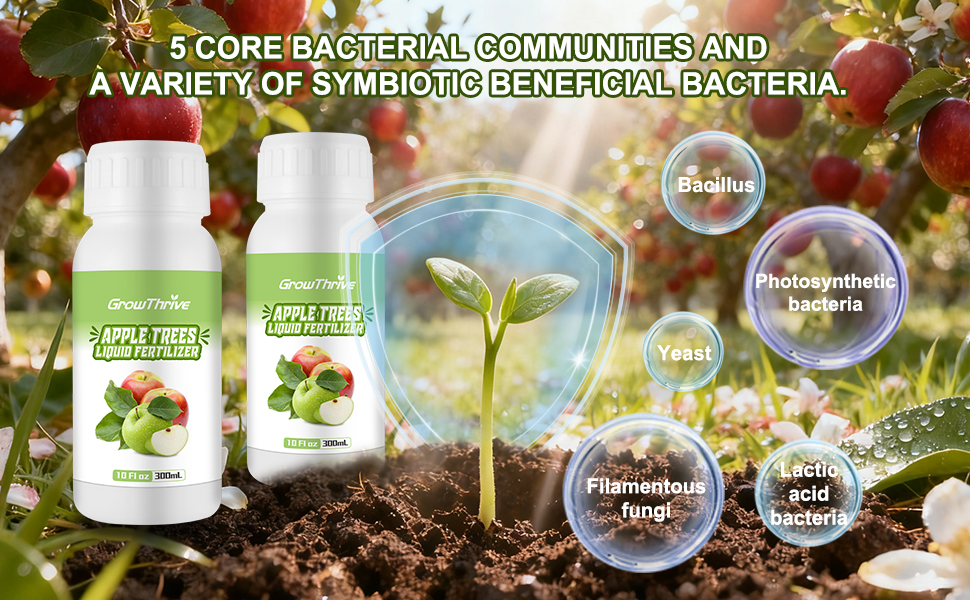
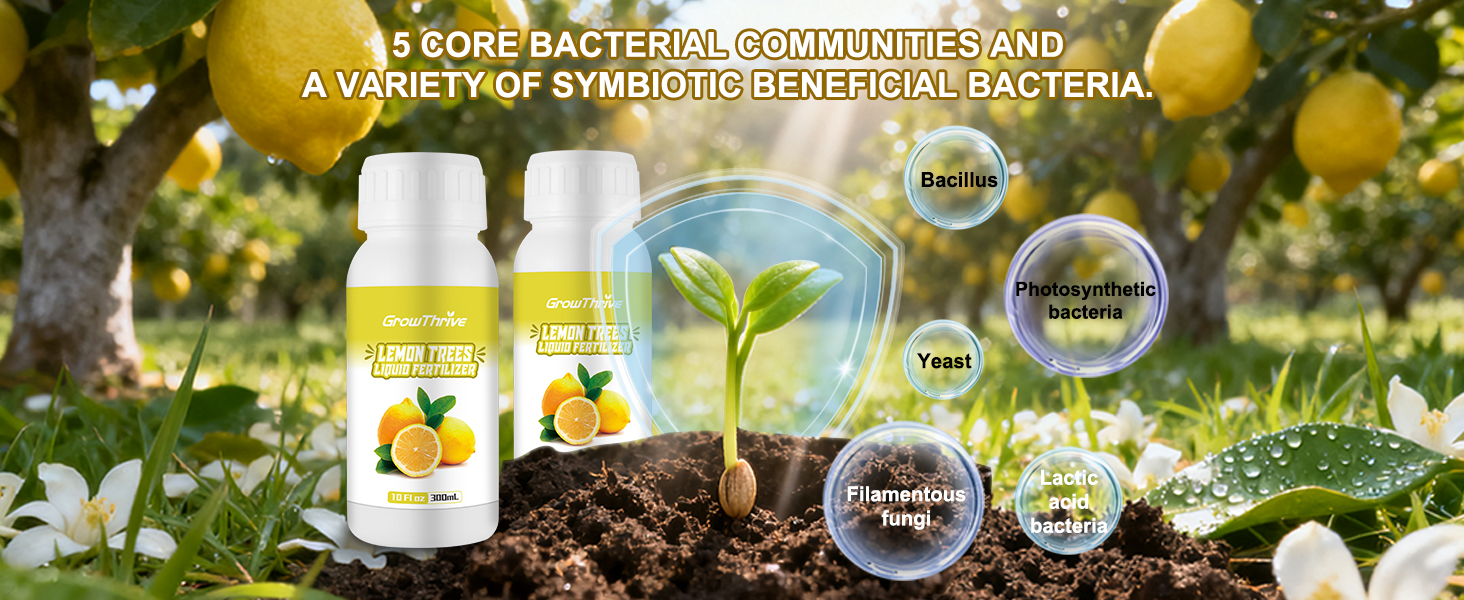
If you’ve ever stared at a yellowing houseplant or struggled to get your vegetable garden to produce bountiful harvests, the answer might lie in one simple factor: Growthrive plant nutrients. Just like humans need a balanced diet to stay healthy, plants require essential elements to grow, bloom, and resist disease. While soil naturally contains some nutrients, they often deplete over time—especially in potted plants or intensive gardening setups. That’s where plant nutrients (often called fertilizers or plant food) come in. In this guide, we’ll break down everything you need to know to choose, use, and maximize the power of plant nutrients for lush, vibrant greenery.
First, let’s demystify the basics: the three key macronutrients that plants crave most. You’ve probably seen numbers like 10-10-10 on fertilizer labels—these represent the ratio of nitrogen (N), phosphorus (P), and potassium (K), the “big three” for plant health. Nitrogen is all about foliage growth: it’s what makes leaves rich and green, perfect for leafy greens like spinach, lettuce, or houseplants like pothos. Phosphorus focuses on roots, flowers, and fruit—ideal for blooming plants (roses, orchids) and fruiting crops (tomatoes, peppers). Potassium boosts overall resilience, helping plants fight off pests, drought, and disease while improving fruit flavor and flower vibrancy. Beyond these, micronutrients like iron, calcium, and magnesium are equally crucial—think of them as vitamins for your plants. A deficiency in iron, for example, causes yellow leaves with green veins (chlorosis), while low calcium leads to blossom end rot in tomatoes.
When it comes to choosing a plant nutrient, the options can feel overwhelming—but it boils down to two main types: synthetic and organic. Synthetic nutrients (like water-soluble powders or liquid concentrates) are fast-acting, precise in their nutrient ratios, and great for addressing specific deficiencies quickly. They’re perfect for busy gardeners or plants that need a quick boost, such as potted herbs or seedlings. However, they can leach into soil over time and may disrupt beneficial soil microbes if overused. Organic nutrients (think compost tea, fish emulsion, or bone meal) are slower to release but improve soil health in the long run. They feed both the plant and the soil’s natural ecosystem, promoting better water retention and nutrient absorption. Organic options are ideal for edible gardens, raised beds, or anyone looking for a sustainable approach.
Using plant nutrients effectively is just as important as choosing the right one—over-fertilizing can burn roots, yellow leaves, or even kill your plants. Here are some pro tips: Follow the “less is more” rule. Most nutrients come with dosage instructions, but it’s safe to start with half the recommended amount, especially for sensitive plants like succulents or ferns. Feed during active growth periods. Spring and summer are when plants are growing fastest, so they’ll benefit most from regular feeding (every 2-4 weeks). In fall and winter, when growth slows, reduce or stop fertilizing altogether—plants won’t absorb the nutrients, and they’ll just build up in the soil. Water first, then feed. Always water your plants thoroughly before applying liquid nutrients—dry soil can trap the fertilizer, leading to root burn. For potted plants, make sure excess water drains out to avoid nutrient buildup in the potting mix.
If you’re feeling crafty, DIY plant nutrients are a fun and affordable option. Compost tea is one of the easiest: steep a handful of compost in a bucket of water for 2-3 days, strain it, and use the liquid to water your plants. It’s packed with micronutrients and beneficial microbes. Banana peels make a great potassium-rich fertilizer—soak them in water for a week, then use the solution to feed flowering plants. For nitrogen, try grass clippings (steeped in water) or coffee grounds (sprinkle directly on soil or brew into a weak “coffee” for watering). Just note that DIY nutrients are less concentrated than commercial ones, so you’ll need to apply them more frequently.
Finally, keep an eye out for signs your plant needs nutrients (or is getting too many). Yellowing leaves (especially older ones) often mean a nitrogen deficiency, while stunted growth or poor flowering points to low phosphorus. If leaves have brown, crispy edges, you’re probably over-fertilizing—flush the soil with water to dilute the excess nutrients. Remember, every plant is different: a tomato plant needs more phosphorus and potassium as it matures, while a fern thrives on balanced, mild nutrients. Observation is key—pay attention to how your plants respond, and adjust your feeding routine accordingly.
In the end, plant nutrients are a simple way to give your greens the boost they need to thrive. Whether you opt for synthetic, organic, or DIY, the right nutrients will turn lackluster plants into showstoppers. By understanding the basics of N-P-K, choosing the right type for your garden, and following proper application techniques, you’ll be well on your way to growing healthy, happy plants that bring joy (and maybe even food!) all year round. Happy gardening!
Revolutionizing Plant Growth with Growthrive: The Power of Probiotic Fermentation
Organic + Synthetic = SynGanic
Articolo correlato
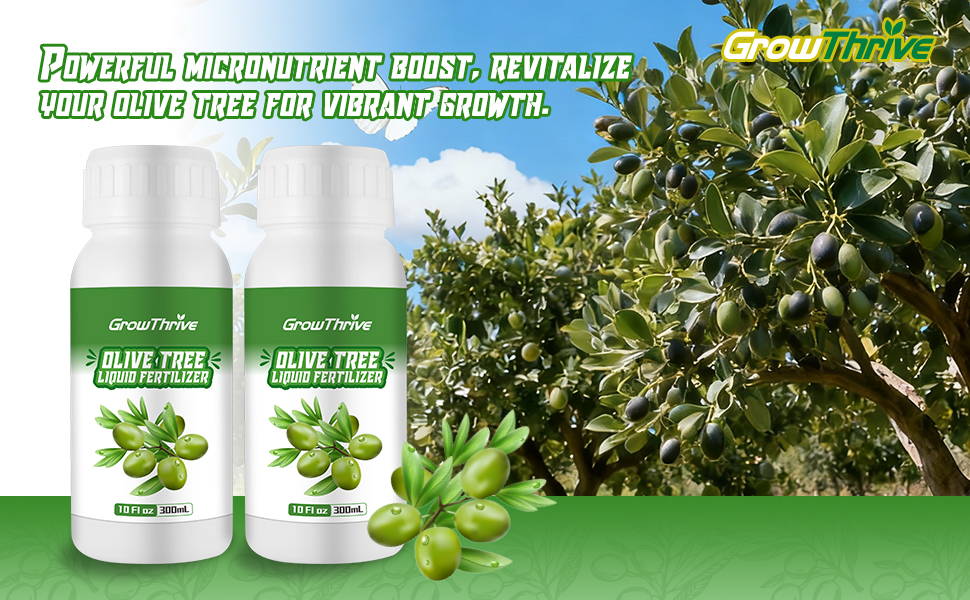
Growing fruit trees can be one of the most rewarding experiences for gardeners and orchard owners. Yet, achieving consistent, high-quality harvests requires more than just sunlight and water.
Unlocking Healthier, Sweeter Harvests: The Power of Probiotic Nutrient Solutions for Fruit Trees
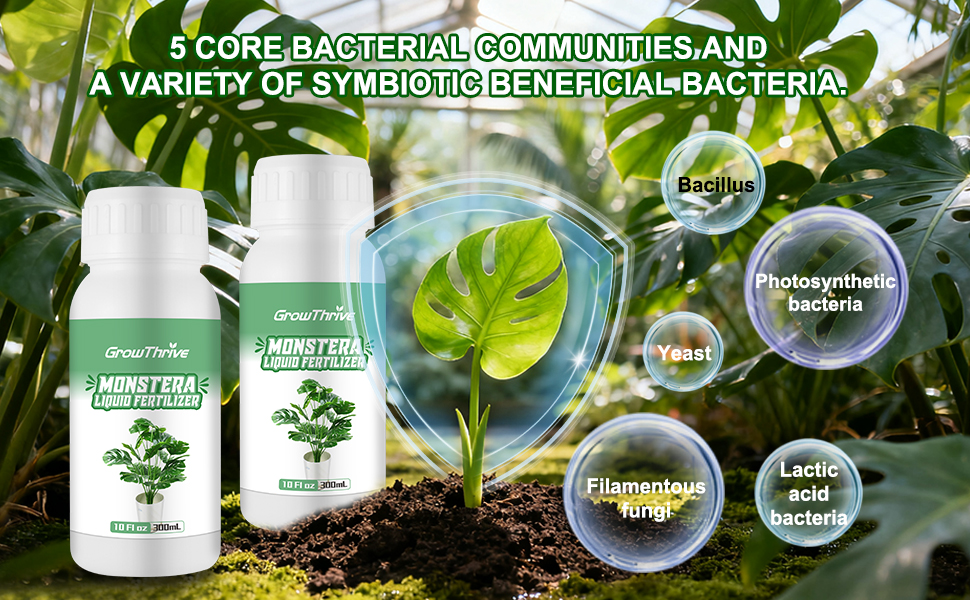
Keeping indoor plants healthy can feel like a challenge, even for experienced plant lovers. Low lighting, inconsistent watering, and limited soil nutrients often make it difficult for houseplants to reach their full potential
Growthrive: A Natural Nutrient Solution That Brings Indoor Plants to Life

If you’ve ever wondered why some people’s succulents grow lush, plump, and vibrant while yours stay small or dull, the secret often lies in one thing — the right fertilizer. Not all plant foods are created equal, especially when it comes to delicate plants like succulents and cacti.
Growthrive Organic Succulent Liquid Fertilizer: The Secret to Thriving, Plump, and Radiant Succulents
In today’s world of sustainable agriculture and eco-conscious gardening, the way we feed our plants is changing. The era of synthetic fertilizers is giving way to a smarter, greener alternative — microbial and probiotic-based nutrition.
Revolutionizing Plant Growth with Growthrive: The Power of Probiotic Fermentation